
Food Literacy for Everyday Life
We translate nutrition into practical understanding — helping individuals and families read food labels, manage budgets, and make informed everyday choices without pressure or perfection.
Why Food Literacy Matters
Food literacy builds long-term skills — turning everyday decisions into informed ones.
Many adults report confusion about food labels.
Understanding ingredients and serving sizes isn’t intuitive — and most people were never taught.

Food decisions impact both health and household budgets.
Families and seniors on fixed incomes often make choices without clear guidance on nutrition value.
Marketing claims can be misleading.
Without label literacy, it’s difficult to distinguish between branding and nutritional substance.

How We Work
-

Education First
We teach practical food literacy skills — including how to read ingredient lists, interpret nutrition labels, evaluate marketing claims, and recognize patterns in everyday food choices.
-

Community Partnerships
We collaborate with public agencies, community organizations, and local institutions to deliver food literacy education in trusted spaces where people already gather.
-
Free Public Resources
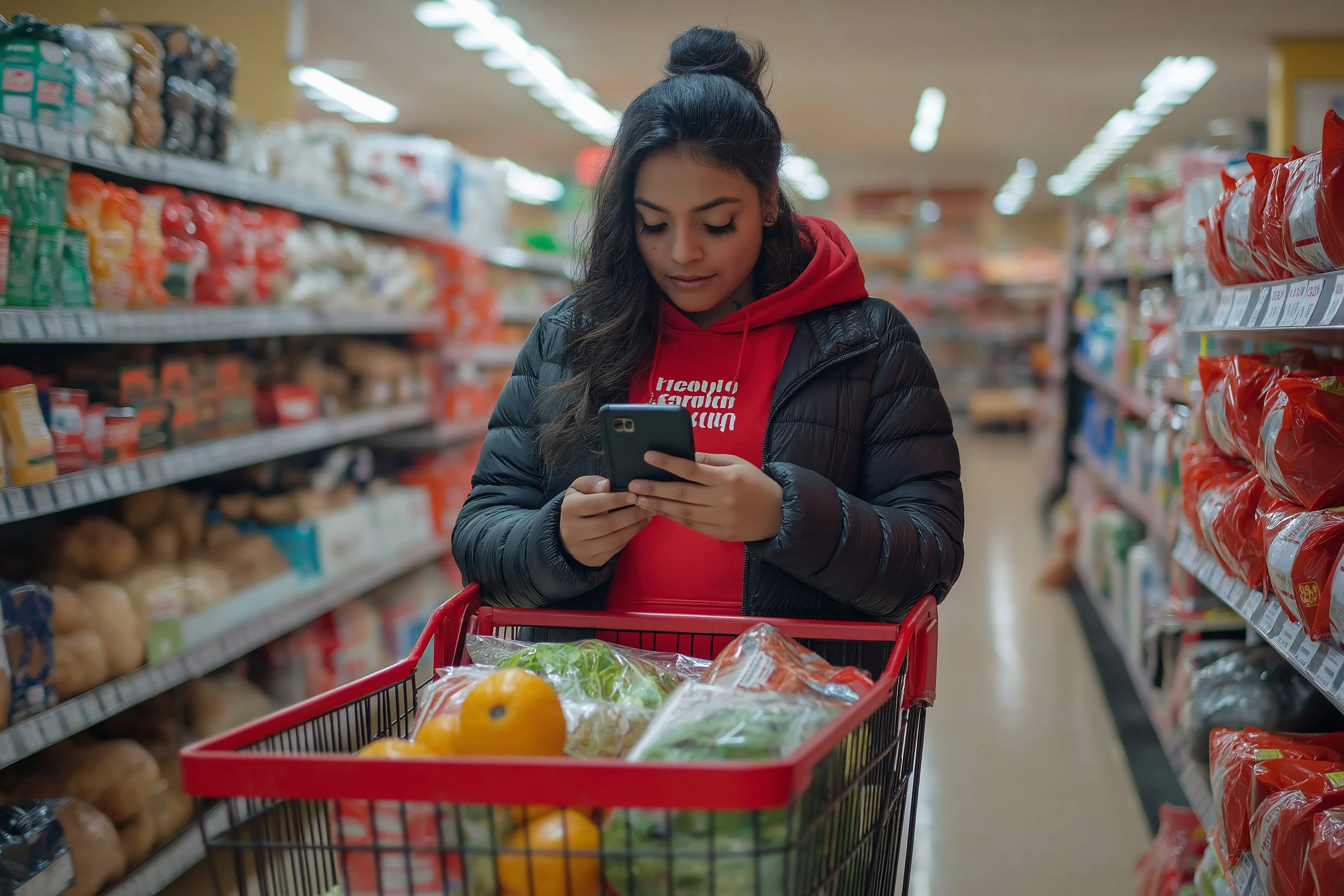
We develop accessible, practical tools individuals and families can use independently to build confidence in everyday nutrition decisions.
Who We Serve
We serve individuals and families seeking clearer, more trustworthy nutrition education — including caregivers, seniors on fixed incomes, and communities historically lacking access to practical food literacy resources.
Families and Individuals navigating grocery decisions
Seniors managing nutrition on a fixed income
Community organizations seeking education partners
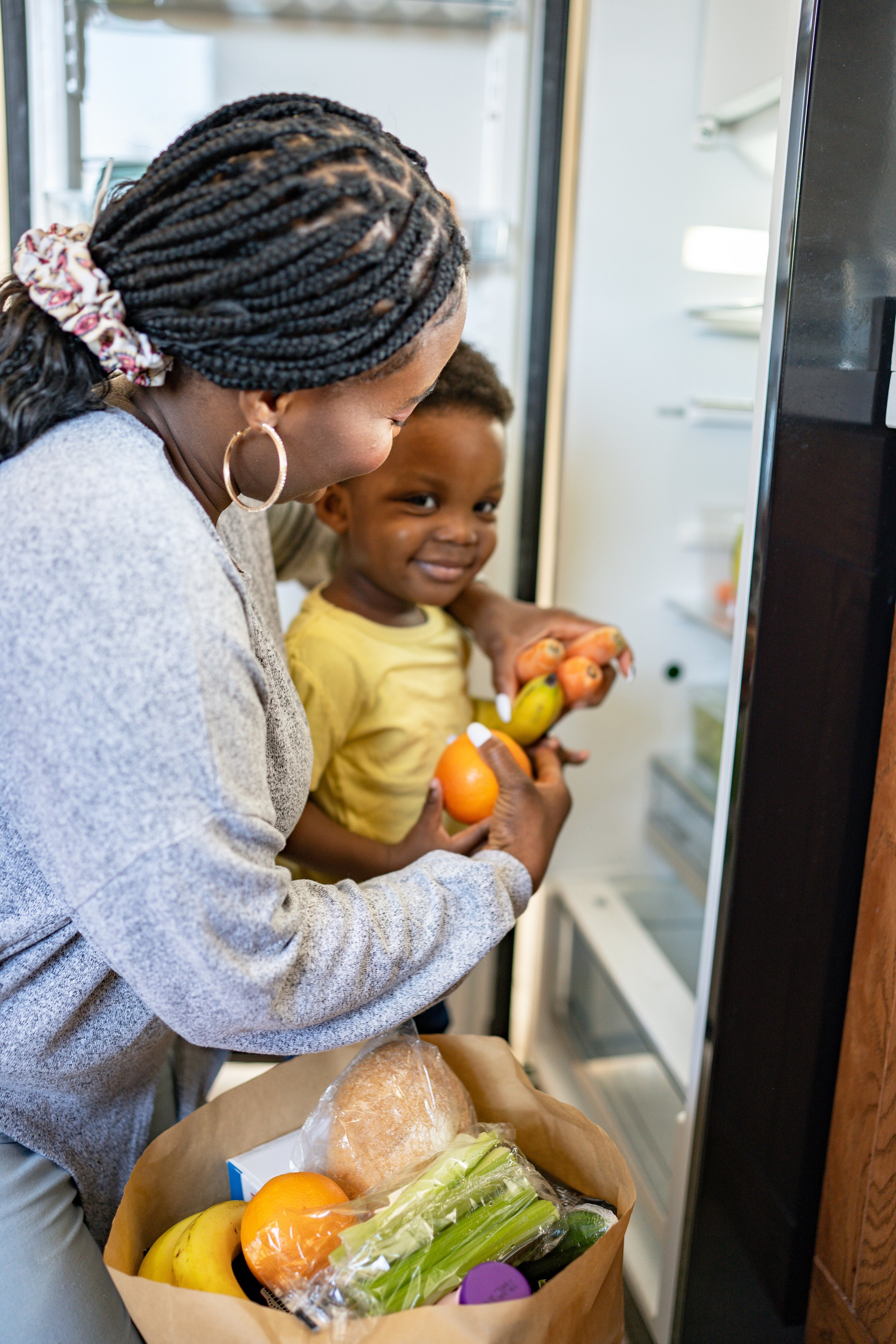
Our Education Model Supports:
• Increased confidence reading food labels
• More informed grocery decisions
• Reduced confusion around nutrition messaging
• Skills that can be passed between generations