Food Literacy for Everyday Life
Understand food information. Use it in everyday life.
Learn how to make sense of food labels, ingredients, prices, and product information—so you can use what you learn in the food decisions you already make.
Food Decisions in Everyday Life
There’s more
behind a food
decision
than what’s on the
label.
Food decisions are shaped by the information people encounter, what works for their household, and the options available to them.
Some decisions are carefully considered. Others are familiar, automatic, or simply shaped by what’s possible.
Food Information
Food information
Labels, ingredient lists, serving sizes, package claims, prices, and unit prices can provide information for understanding and comparing products.
Everyday Life
Household & everyday life
Budget, time, household needs, preferences, routines, culture, storage, and preparation can influence what works for a household.
Available Options
Access & shopping environment
Transportation, store location, product availability, marketing, promotions, and the shopping environment can influence the options people encounter.
Food literacy helps people understand and use food information within the realities of their everyday decisions.
Why Food Literacy Matters
Food information is everywhere. Understanding how to use it takes knowledge.
Seeing food information isn't the same as knowing how to use it.
of surveyed U.S. adults had looked at a Nutrition Facts label.
of college graduates couldn't correctly answer all four nutrition-label questions.
Persoskie et al., 2017
2013 national survey
of surveyed U.S. adults couldn't correctly calculate the percentage of daily calories represented by one serving.
Persoskie et al., 2017
2013 national survey
Food Literacy for Everyday Life
See food literacy in action.
See how Nutrition Clarity Foundation brings food literacy into the everyday decisions people already make.
Our Approach
We teach people how to work with food information.
Food information becomes more useful when people know what it means, where to find it, how to compare it, and how it can be used in a decision.
Nutrition Clarity Foundation builds those skills through education grounded in the food information and decisions people encounter in everyday life.
Understand
Understand the information
Learn how to read and interpret Nutrition Facts, ingredient lists, serving information, prices, package claims, and other information found on food products and in the grocery environment.
Practice
Practice using it
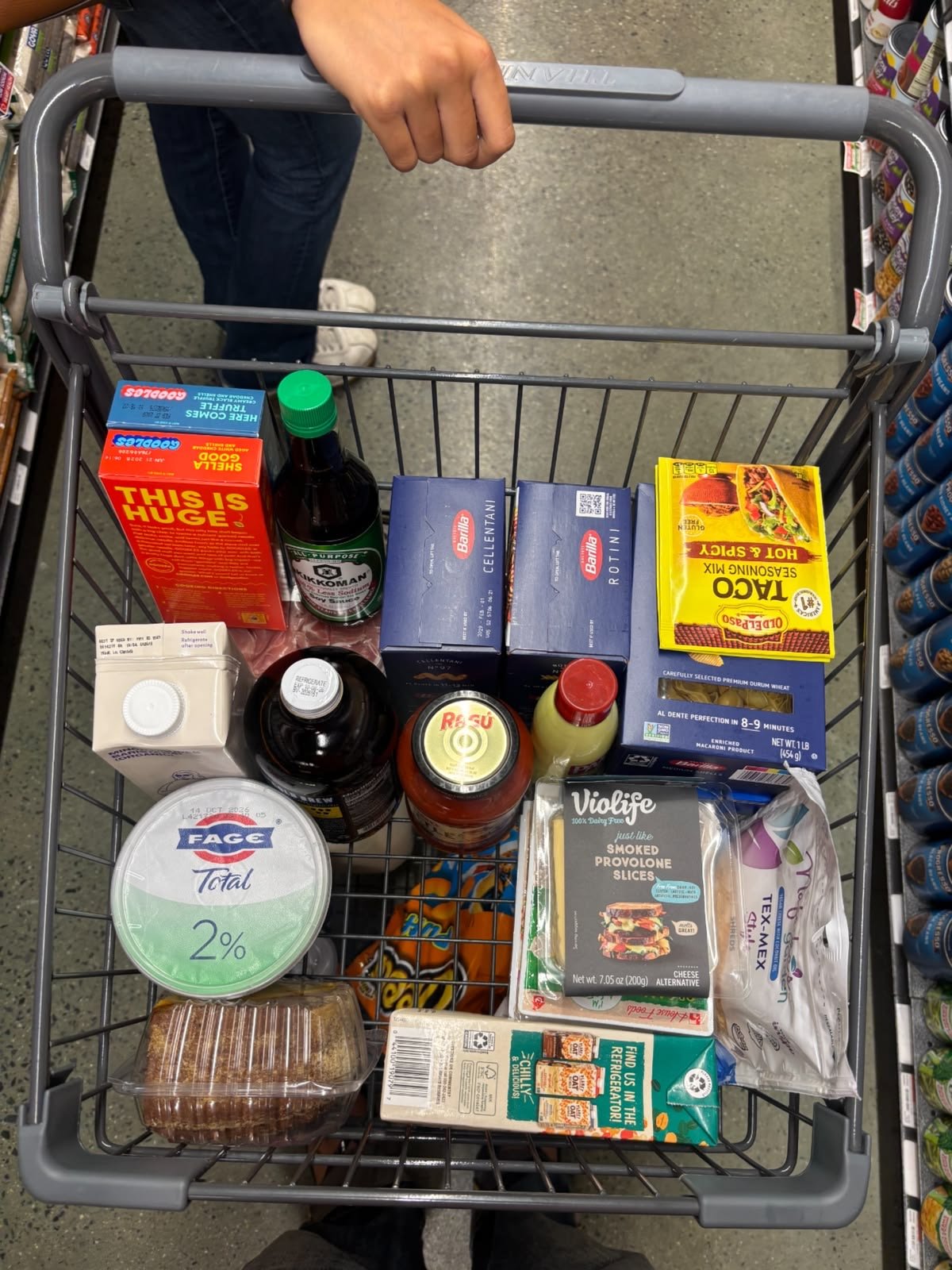
Use real examples to read labels, compare products, examine ingredients, work with prices and unit costs, and explore how different pieces of information can be used together.
Apply
Apply it in everyday decisions
Build skills that can be carried into the grocery store, the kitchen, and other everyday situations while recognizing that needs, priorities, preferences, budgets, and available options differ from person to person.
The information changes. The skills go with you.
We provide the knowledge and skills to understand and use food information. What matters in a decision depends on the person making it.
Learn at Your Own Pace
Explore food literacy by topic.
Explore free resources designed to build understanding and skills across food labels, ingredients, grocery navigation, product comparison, and shopping value.
Learning Area 01
Food Label Literacy
Understand Nutrition Facts, serving information, nutrients, package claims, and other information found on food labels.
Learning Area 02
Ingredient & Food Awareness
Explore ingredient lists, how ingredients are presented, and information that can help you better understand what’s in a food product.
Learning Area 03
Grocery Navigation & Product Comparison
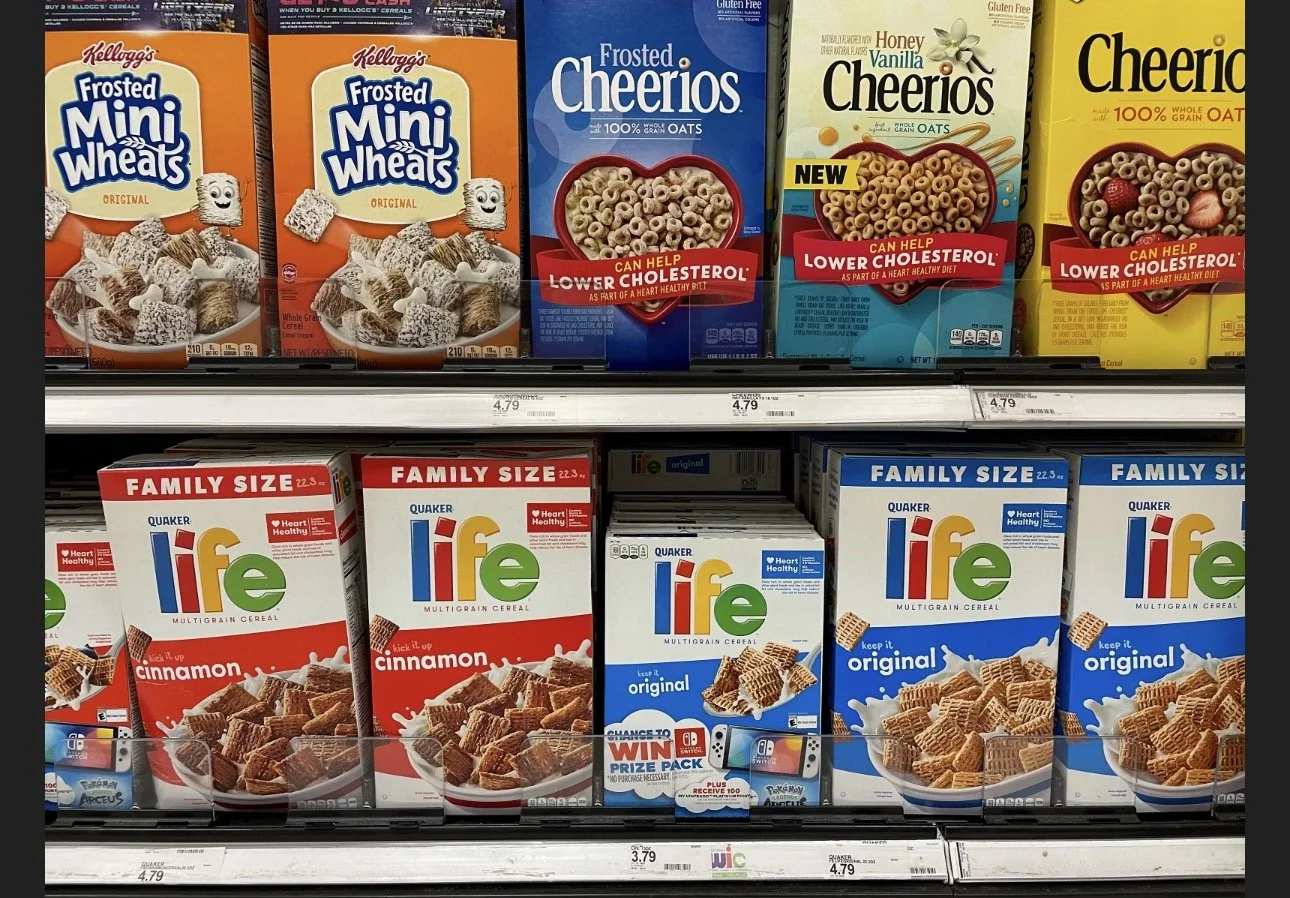
Build skills for navigating grocery information and comparing products using labels, packaging, prices, claims, and other available information.
Learning Area 04
Smart Shopping & Value Literacy
Explore unit pricing, package size, cost per serving, brands, promotions, and other factors that can shape shopping value.
Start Exploring
Continue your learning in the Resource Hub.
Access free food literacy resources, explore available downloads, and create a free account to continue learning across NCF’s food literacy topics.
Explore the Resource HubVisit Our Blogs
Our Community Partners
Nutrition Clarity Foundation collaborates with community organizations to make practical food literacy education more accessible.
Current Community Partners
Nashville Public Library Be Well Program
We're grateful to partner with organizations that help expand access to food literacy education.